
Author name: iyaskanichirakkal.y@gmail.com

Uncategorized

Digital Marketing Services for Startups: Why Freelancers Win Big in 2026

1. The New Age of Startup Growth Startups today operate in a fast-moving, highly competitive digital landscape. Therefore, building a strong online presence is no longer optional—it is essential. However, many startups struggle with limited budgets, tight timelines, and the constant pressure to scale quickly.As a result, founders must make smart decisions about how they approach marketing. Instead of investing heavily in traditional agencies, many startups now turn to freelance digital marketing services. This shift is not accidental. In fact, it reflects a growing need for flexibility, affordability, and specialized expertise. 2. What Are Digital Marketing Services for Startups? Digital marketing services for startups include everything from search engine optimization (SEO) and social media marketing to paid ads, content marketing, and email campaigns. Essentially, these services help startups build visibility, attract customers, and generate revenue online. Moreover, startups require customized strategies rather than one-size-fits-all solutions. That is why many businesses prefer to hire freelance digital marketers who can adapt quickly. Unlike rigid agency models, freelancers often tailor strategies specifically to a startup’s niche, audience, and goals. 3. Budget Matters: Why Freelancers Are Cost-Effective First and foremost, startups operate on limited budgets. Consequently, every dollar spent must deliver measurable results. Hiring a full-service agency can be expensive, often involving high retainers and long-term contracts. On the other hand, affordable digital marketing services offered by freelancers allow startups to scale spending based on their needs. In addition, freelancers typically have lower overhead costs. Therefore, they can provide high-quality services at a fraction of the price, making them an ideal choice for early-stage businesses. 4. Speed and Flexibility Give Freelancers an Edge Startups move fast, and their marketing strategies must keep up. For instance, a campaign may need to pivot overnight based on performance data or market trends. In such cases, freelancers excel because they work independently and make quick decisions.Furthermore, freelancers offer unmatched flexibility. You can hire them for short-term projects, ongoing campaigns, or even one-time consultations. As a result, startups gain the freedom to experiment, adjust, and optimize without being locked into rigid contracts. 5. Specialized Expertise That Drives Results Another major advantage of freelancers is their specialization. While agencies often provide general services, freelancers usually focus on specific areas such as SEO, content marketing, or paid advertising.Because of this focus, freelance experts often bring deeper knowledge and proven strategies. For example, a freelance SEO expert can help your website rank faster by implementing targeted keyword strategies and technical optimizations. Similarly, a freelance PPC specialist can maximize ROI by fine-tuning ad campaigns continuously. 6. Personalized Attention and Direct Communication Communication plays a crucial role in successful marketing campaigns. However, agencies often involve multiple layers of communication, which can slow down decision-making and lead to misunderstandings.In contrast, when you hire a freelance marketer, you communicate directly with the person executing your strategy. This direct interaction ensures clarity, faster feedback, and better alignment with your business goals. Moreover, freelancers tend to build stronger relationships with clients, leading to more personalized and effective campaigns. 7. Scalability Without Long-Term Commitment Startups need the ability to scale quickly. At the same time, they must avoid unnecessary financial risks. Freelancers provide the perfect balance between scalability and control.For instance, you can start with a small project and gradually expand as your business grows. Additionally, you can easily switch strategies or bring in new specialists when needed. This approach allows startups to access top-tier talent without committing to long-term contracts or large teams. 8. Innovation and Fresh Perspectives Freelancers often work with multiple clients across different industries. Therefore, they bring diverse insights and innovative ideas to the table. This exposure helps startups stay ahead of trends and implement creative strategies. Moreover, freelancers continuously update their skills to remain competitive. As a result, they are more likely to adopt the latest tools, technologies, and marketing techniques. This constant learning benefits startups by ensuring they use modern, effective strategies. 9. Data-Driven Strategies That Deliver ROI In today’s digital world, data drives success. Freelancers understand this well and rely heavily on analytics to guide their decisions. From tracking website traffic to analyzing campaign performance, they focus on measurable outcomes. Additionally, freelancers often prioritize ROI because their reputation depends on results. Therefore, they continuously optimize campaigns to improve performance. This results-driven approach makes freelance digital marketing services highly effective for startups aiming for growth. 10. Perfect Fit for Remote and Global Teams With remote work becoming the norm, startups are no longer limited by geography. Consequently, they can hire the best talent from anywhere in the world. Freelancers fit perfectly into this model. Furthermore, working with freelancers allows startups to build a global marketing team without the complexities of hiring full-time employees. This flexibility not only reduces costs but also increases access to diverse skills and perspectives. 11. How to Choose the Right Freelance Digital Marketer Although freelancers offer many benefits, choosing the right one is crucial. First, startups should evaluate the freelancer’s portfolio and past results. This helps ensure they have relevant experience in your industry.Next, clear communication is essential. You should discuss goals, timelines, and expectations before starting any project. Additionally, consider starting with a small task to test compatibility. By doing so, you can build trust and ensure long-term success. 12. Final Thoughts: Why Freelancers Truly Win In conclusion, freelancers offer a powerful combination of affordability, flexibility, expertise, and innovation. Therefore, they have become the go-to solution for startups looking to grow.While agencies still have their place, startups benefit more from agile and personalized approaches. By choosing digital marketing services for startups provided by freelancers, businesses can achieve faster growth, better ROI, and greater control over their marketing efforts.Ultimately, the future of startup marketing belongs to those who adapt quickly. And without a doubt, freelancers are leading that transformation.

smm expert
Uncategorized

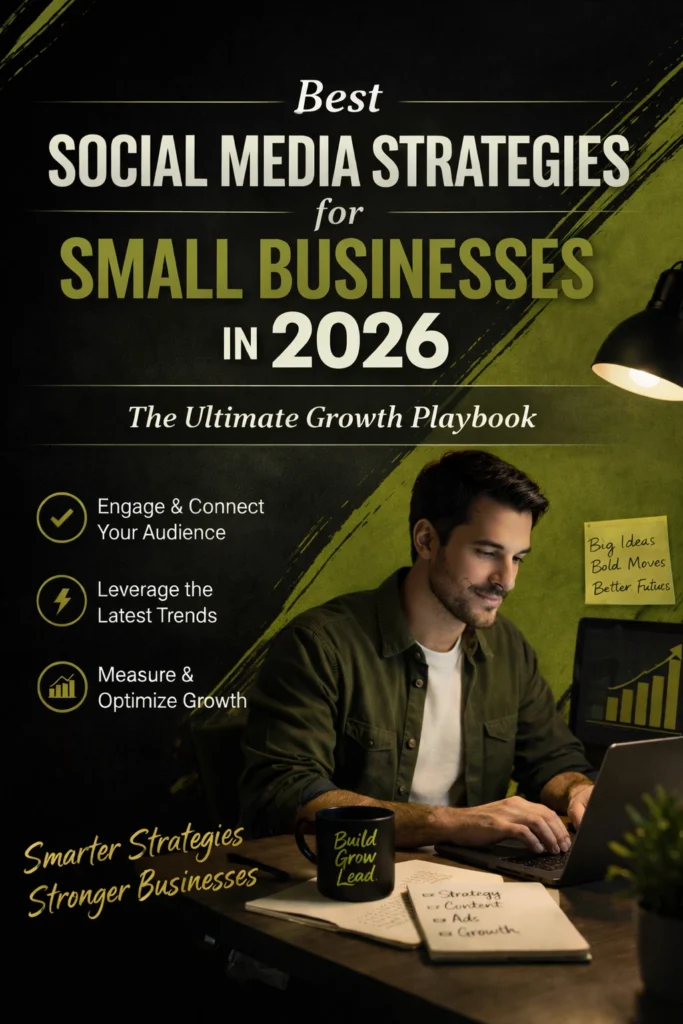
Best Social Media Strategies for Small Businesses in 2026: The Ultimate Growth Playbook

1. The New Era of Social Media Marketing in 2026 Social media marketing has evolved rapidly, and in 2026, small businesses must adapt faster than ever to stay competitive. Platforms are no longer just spaces for posting updates—they have become powerful ecosystems for brand building, lead generation, and customer engagement. If you want to grow your business, you must treat social media as a core part of your digital marketing strategy.Small businesses now have access to tools and opportunities that were once limited to large brands. With the right social media strategies, you can reach your ideal audience, build trust, and convert followers into loyal customers. The key lies in understanding trends and using them effectively. 2. Define Clear Goals for Your Social Media Strategy Before you start posting content, you need to define what success looks like for your business. Do you want more website traffic, higher engagement, or increased sales? Clear goals will shape your entire social media marketing approach.When you align your content with your business objectives, your efforts become more focused and measurable. For example, if your goal is lead generation, you should create content that encourages users to take action. A well-defined strategy ensures that every post serves a purpose. 3. Know Your Target Audience Deeply Understanding your audience is the foundation of effective social media strategies. You must identify who your ideal customers are, what they like, and how they behave online. This insight helps you create content that resonates with them.In 2026, personalization plays a huge role in social media marketing. Small businesses that tailor their content to specific audience segments see better engagement and conversions. When you speak directly to your audience’s needs, you build stronger connections and trust. 4. Focus on High-Quality Content Creation Content remains the backbone of any successful social media strategy. However, in 2026, quality matters more than quantity. Instead of posting frequently without purpose, focus on creating valuable and engaging content.Use a mix of formats such as videos, carousels, stories, and short-form content. Video content, in particular, continues to dominate social media platforms. When you invest in high-quality content creation, you increase your chances of capturing attention and driving engagement. 5. Leverage Short-Form Video for Maximum Reach Short-form video content is one of the most powerful tools in social media marketing today. Platforms like Instagram Reels and YouTube Shorts have made it easier for small businesses to reach a wider audience.You don’t need expensive equipment to create impactful videos. Focus on storytelling, authenticity, and delivering value quickly. Whether you share tips, behind-the-scenes content, or product demos, short-form videos can significantly boost your visibility and engagement. 6. Build Consistency with a Content Calendar Consistency is essential for success in social media marketing. Posting randomly will not deliver long-term results. Instead, create a content calendar to plan your posts in advance. 7. Engage Actively with Your Audience A well-structured content calendar helps you maintain a steady presence and ensures that your messaging remains consistent. It also allows you to align your content with important events, promotions, and campaigns. Consistency builds trust and keeps your audience engaged. When you interact with your followers, you show that you value them. This creates a sense of community around your brand. Active engagement also improves your visibility on social media platforms, as algorithms favor accounts that interact with their audience regularly. 8. Use Paid Advertising to Accelerate Growth Organic reach is important, but combining it with paid advertising can deliver faster results. Social media platforms offer advanced targeting options that allow you to reach your ideal audience.Small businesses can benefit from running targeted ad campaigns to promote products, services, or special offers. Even a small budget can generate significant results when used strategically. Paid advertising helps you scale your social media marketing efforts effectively. 9. Collaborate with Influencers and Creators Influencer marketing continues to be a powerful strategy in 2026. Partnering with influencers and content creators can help small businesses reach new audiences and build credibility.You don’t need to work with celebrities. Micro-influencers often have highly engaged audiences and can deliver better results for small businesses. Choose influencers who align with your brand values and target audience for maximum impact. 10. Track Performance and Optimize Your Strategy To succeed in social media marketing, you must track your performance regularly. Analyze metrics such as engagement rate, reach, conversions, and follower growth. Data-driven decisions help you understand what works and what doesn’t. When you continuously optimize your strategy based on insights, you improve your results over time. Successful small businesses treat analytics as a key part of their social media strategies. 11. Stay Updated with Trends and Algorithm Changes Social media platforms are constantly evolving. New features, trends, and algorithm updates can impact your strategy. To stay ahead, you must keep learning and adapting. Follow industry updates, experiment with new formats, and embrace change. Small businesses that stay flexible and innovative can outperform competitors. Being proactive ensures that your social media marketing remains effective and relevant. 12. Build a Strong Brand Identity Your brand identity sets you apart from competitors. In 2026, small businesses must focus on creating a consistent and recognizable presence across all social media platforms. Use consistent colors, tone, and messaging in your content. A strong brand identity helps your audience remember you and builds trust over time. When people recognize your brand instantly, your marketing efforts become more effective. 13. Turn Followers into Loyal Customers The ultimate goal of social media marketing is not just gaining followers—it’s converting them into customers. You must guide your audience through a clear journey from awareness to purchase. Use strong calls-to-action, engaging content, and valuable offers to drive conversions. Build relationships with your audience and provide solutions to their problems. When you focus on delivering value, you turn followers into loyal customers who support your business long-term. 14. Final Thoughts: Your Roadmap to Social Media Success Social media strategies for small businesses in 2026 require a combination of creativity, consistency, and data-driven decision-making. You

social media expert
Uncategorized

How I Built a Successful Freelance Digital Marketing Career: From Zero to Consistent Clients

1. My Starting Point: No Clients, No Portfolio, Just Determination When I first decided to step into freelance digital marketing, I didn’t have a portfolio, testimonials, or even a clear roadmap. What I did have was curiosity and a strong desire to build something of my own. I spent hours researching how digital marketing works, exploring SEO, social media strategies, and content marketing fundamentals. Instead of waiting for the “perfect moment,” I started immediately. I created my own small projects to practice. I built a simple website, experimented with blog writing, and tested social media campaigns. These early efforts didn’t bring money, but they gave me something more valuable—confidence and real experience. 2. Learning the Core Skills That Actually Matter To succeed in freelance digital marketing services, I focused on mastering a few essential skills instead of trying to learn everything at once. I prioritized search engine optimization (SEO), social media marketing, content creation, and basic paid advertising.I didn’t just consume theory—I applied everything. I wrote blogs, optimized them for keywords, and tracked their performance. I created social media posts and studied engagement patterns. This hands-on approach helped me understand what truly works in real-world digital marketing. 3. Building a Portfolio Without Clients One of the biggest challenges beginners face is the lack of a portfolio. I solved this problem by creating my own case studies. I treated my personal projects like client work and documented the results.For example, I improved my website’s traffic using SEO strategies and tracked the growth. I created before-and-after comparisons and explained my methods. These case studies became powerful proof of my skills and helped me attract my first freelance digital marketing clients. 4. Finding My First Clients (The Hardest Step) Getting the first client felt like the toughest milestone. I started by reaching out to small businesses, startups, and local brands that needed help with digital marketing services. I didn’t focus on selling—I focused on solving problems. I offered value upfront. I audited their websites, suggested improvements, and shared actionable tips. This approach built trust and opened doors. Eventually, a few businesses gave me a chance, and those first projects became the foundation of my freelance career. 5. Creating a Strong Personal Brand Online To stand out in the competitive freelance digital marketing industry, I built a personal brand. I consistently shared content about SEO tips, marketing strategies, and real insights on platforms like LinkedIn and Instagram.Over time, people started recognizing me as someone knowledgeable in digital marketing. This visibility brought inbound leads. Instead of chasing clients, clients began reaching out to me. Personal branding turned out to be one of the most powerful growth strategies in my journey. 6. Mastering SEO to Drive Long-Term Results Search engine optimization became my strongest skill and a major part of my freelance digital marketing services. I learned how to perform keyword research, optimize on-page elements, and build backlinks.SEO helped me generate organic traffic not just for clients, but also for my own website. When potential clients searched for digital marketing services, they found my content. This consistent visibility created a steady stream of leads and reduced my dependence on outreach. 7. Delivering Results That Speak Louder Than Words Once I started getting clients, I focused on delivering measurable results. I tracked key performance indicators like website traffic, conversions, and engagement rates. I regularly updated clients with progress reports. Satisfied clients became repeat clients. They also referred me to others. Word-of-mouth marketing played a huge role in growing my freelance digital marketing business. Delivering real results built credibility faster than any advertisement ever could. 8. Scaling My Freelance Digital Marketing Services As my workload increased, I realized I couldn’t do everything alone. To scale my services, I started outsourcing small tasks like graphic design, content writing, and technical SEO. 9. Pricing My Services with Confidence This allowed me to focus on strategy and client communication. Gradually, I transformed from a solo freelancer into someone managing multiple projects efficiently. Scaling helped me increase my income without burning out. Clients are willing to pay more when they see clear results. I learned to communicate the impact of my work instead of just listing tasks. This shift significantly increased my earnings and positioned me as a professional, not just a beginner freelancer. 10. Staying Updated in a Fast-Changing Industry Digital marketing evolves rapidly. Algorithms change, trends shift, and new tools emerge constantly. To stay competitive, I made continuous learning a habit.I followed industry blogs, watched tutorials, and tested new strategies. I didn’t rely on outdated methods. Staying updated helped me offer modern and effective freelance digital marketing services, which kept my clients satisfied and ahead of their competitors. 11. Overcoming Challenges and Staying Consistent The journey wasn’t always smooth. There were times when I had no clients, faced rejections, or struggled with self-doubt. But I didn’t quit. I stayed consistent and kept improving my skills.Freelancing requires patience and resilience. Success doesn’t happen overnight. Every challenge taught me something valuable and made me stronger. Consistency turned out to be the real secret behind building a successful freelance digital marketing career. 12. Where I Am Today and What I’ve Learned Today, I run a stable freelance digital marketing career with consistent clients and steady income. I work with businesses from different industries and help them grow online.Looking back, I realize that success came from taking action, learning continuously, and focusing on delivering value. If you want to build a career in freelance digital marketing services, start now, stay consistent, and never stop learning. The journey may be challenging, but the rewards are absolutely worth it.

best smm
Uncategorized

“SEO Secrets Freelance Digital Marketers Don’t Want You to Know”

1.Introduction: Unveiling the Hidden World of SEO In this blog post, we will uncover these hidden insights and provide a transparent perspective on freelance digital marketing services. By understanding these truths, businesses can make informed decisions and maximize their return on investment. Moreover, this knowledge will empower you to evaluate SEO strategies more critically and effectively. 2. SEO Is Not Instant: The Truth About Timeframes One of the most common misconceptions in SEO is the expectation of immediate results. Freelance digital marketers may promise quick rankings to secure clients; however, SEO is inherently a long-term strategy. Search engines require time to crawl, index, and evaluate content before reflecting changes in rankings. Furthermore, sustainable SEO results depend on consistent efforts such as content creation, backlink building, and technical optimization. Therefore, businesses should approach freelance digital marketing services with realistic expectations and focus on gradual growth rather than overnight success. 3.Keywords Alone Are Not Enough Many clients believe that inserting keywords into content guarantees higher rankings. While keywords remain essential, modern SEO extends far beyond simple keyword placement. Search engines now prioritize user intent, content quality, and contextual relevance. Consequently, freelance digital marketers often emphasize keywords but may not fully explain the importance of semantic search and topic authority. To achieve better results, businesses must adopt a comprehensive content strategy that integrates keywords naturally while addressing user needs effectively. 4.Content Quality Always Outranks Quantity It is a common practice among some freelancers to produce large volumes of content in a short time. Although this approach may appear productive, it often compromises quality. Search engines increasingly favor well-researched, valuable, and engaging content over sheer quantity. In contrast, high-quality content builds trust, encourages user engagement, and improves dwell time. Therefore, investing in fewer but more impactful pieces of content can significantly enhance your SEO performance. This is a critical aspect of freelance digital marketing services that is sometimes overlooked. 5. Backlinks Matter—But Not All Are Equal Backlinks remain a vital ranking factor; however, not all backlinks contribute positively to your website’s authority. Some freelance digital marketers may focus on acquiring a large number of links without considering their quality. On the other hand, search engines prioritize backlinks from reputable and relevant sources. Poor-quality or spammy links can harm your rankings and even lead to penalties. Thus, businesses should prioritize quality link-building strategies rather than chasing volume. 6.Technical SEO Is the Silent Game-Changer Despite its importance, freelance digital marketers may not always highlight technical SEO because it is less visible to clients. However, neglecting technical aspects can undermine even the most well-crafted content strategies. Therefore, businesses must ensure that technical SEO is an integral part of their digital marketing approach. 7.Local SEO Can Deliver Powerful Results For businesses targeting specific regions, local SEO offers immense opportunities. Optimizing for local searches enables companies to appear in location-based queries, which often have high conversion rates. Freelance digital marketing services frequently include local SEO; however, its full potential is not always communicated. By focusing on local keywords, optimizing business listings, and gathering customer reviews, businesses can significantly improve their local visibility and attract more relevant customers. 8. Data and Analytics Drive Success Effective SEO relies heavily on data-driven decision-making. Tools such as analytics platforms provide valuable insights into user behavior, traffic sources, and conversion rates. However, not all freelance digital marketers emphasize the importance of continuous data analysis. By regularly monitoring performance metrics, businesses can identify what works and what does not. Consequently, they can refine their strategies and achieve better results over time. Data transparency should be a key expectation when working with freelance digital marketing services. 9. SEO Requires Continuous Adaptation Search engine algorithms constantly evolve, making SEO a dynamic and ever-changing field. Strategies that worked a year ago may no longer be effective today. Freelance digital marketers must stay updated with the latest trends and algorithm updates to remain competitive. Therefore, businesses should understand that SEO is not a one-time effort. Continuous optimization, testing, and adaptation are essential for maintaining and improving rankings. This ongoing process is a fundamental aspect of successful freelance digital marketing services. 10.Communication and Transparency Are Crucial A significant yet often overlooked factor in SEO success is clear communication between clients and marketers. Some freelancers may use technical jargon or vague reporting to obscure the actual progress of campaigns. In contrast, transparent communication fosters trust and ensures alignment between business goals and marketing strategies. Clients should expect detailed reports, clear explanations, and honest assessments from their freelance digital marketing partners. 11. Conclusion: Empowering Your SEO Journey Understanding these SEO secrets can transform the way businesses approach digital marketing. By recognizing the realities behind freelance digital marketing services, companies can set realistic expectations and build more effective strategies. Ultimately, SEO success depends on a combination of quality content, technical expertise, data analysis, and continuous adaptation. By applying these principles, businesses can achieve sustainable growth and long-term online visibility. Armed with this knowledge, you are now better equipped to navigate the complexities of SEO and make informed decisions for your digital future.

search engine marketing
Uncategorized

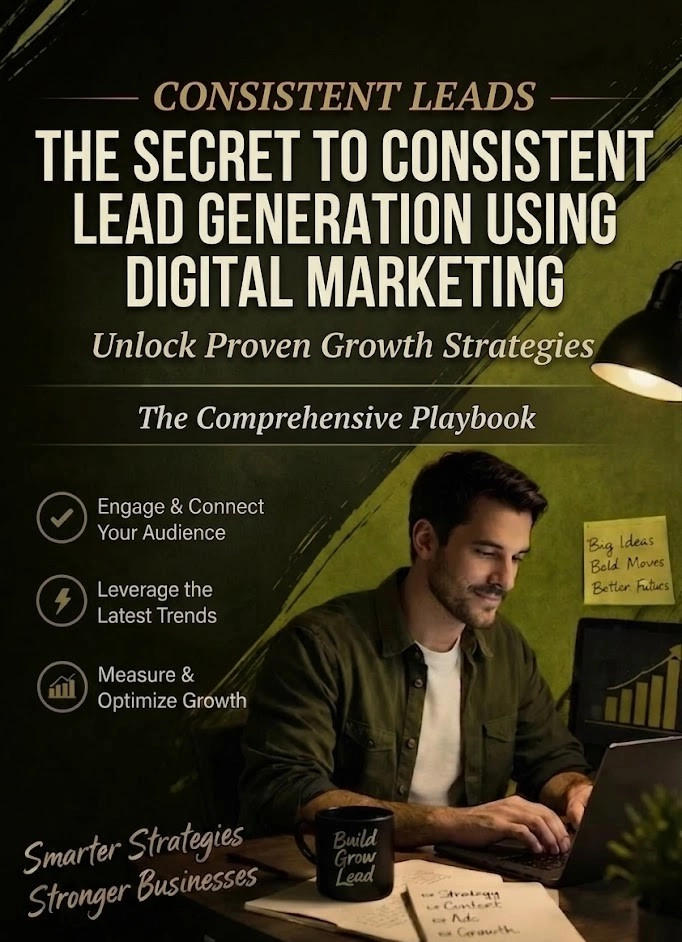
The Secret to Consistent Lead Generation Using Digital Marketing

1. Introduction: Why Consistency Outperforms Virality In today’s competitive digital landscape, many businesses pursue viral success in the hope of achieving instant visibility. However, such short-term spikes rarely translate into sustainable growth. Instead, consistent lead generation serves as the foundation for long-term success in digital marketing. Moreover, when businesses focus on consistency, they create a predictable flow of potential customers. As a result, they can plan strategically, optimize campaigns effectively, and maintain steady revenue growth. Therefore, consistency is not just an advantage—it is a necessity. 2. Understanding Lead Generation in Digital Marketing Lead generation refers to the process of attracting and converting potential customers into interested prospects. In digital marketing, this involves multiple channels such as SEO, social media marketing, content marketing, and Google Ads. Furthermore, effective lead generation prioritizes quality over quantity. Businesses must target the right audience using data-driven strategies. Consequently, this approach increases the likelihood of conversions and improves overall return on investment. 3. Building a Strong Online Presence A strong online presence is essential for consistent lead generation. Without a well-designed website and clear brand messaging, businesses struggle to attract and retain visitors. Therefore, companies must invest in professional design and user-friendly navigation. In addition, optimizing the user experience significantly impacts lead generation. When users find a website easy to navigate and informative, they are more likely to engage. As a result, businesses can convert more visitors into qualified leads. 4.Leveraging SEO for Sustainable Growth SEO plays a critical role in long-term lead generation. By optimizing content with relevant keywords, businesses can rank higher on search engines and attract organic traffic. Moreover, SEO provides sustainable results over time. Unlike paid campaigns, it continues to generate leads even after initial efforts. Therefore, businesses that invest in SEO build a reliable and long-lasting source of traffic. 5. Content Marketing: The Engine of Engagement Content marketing enables businesses to educate, inform, and engage their audience. By creating valuable content, companies establish trust and credibility in their industry. Additionally, different types of content serve different purposes. For example, blog posts attract visitors, while case studies build trust. Consequently, a well-structured content marketing strategy ensures continuous lead generation. 6. Social Media Marketing: Turning Attention into Action Social media marketing allows businesses to connect directly with their audience. Through consistent posting and engagement, brands can build strong relationships with potential customers. However, engagement alone is not sufficient. Businesses must guide users toward specific actions using clear calls-to-action. As a result, social media platforms become powerful tools for lead generation. 7. Google Ads and Paid Campaigns for Quick Results Google Ads provides immediate visibility and targeted reach. By running paid campaigns, businesses can attract potential customers who are actively searching for their services. Furthermore, paid advertising offers measurable outcomes. Businesses can track performance metrics and adjust campaigns accordingly. Therefore, Google Ads plays a crucial role in achieving consistent lead generation. 8. Data-Driven Strategies for Better Results Data-driven decision-making is essential in digital marketing. By analyzing performance metrics, businesses can identify successful strategies and areas for improvement. In addition, data eliminates guesswork. Instead of relying on assumptions, companies can make informed decisions. Consequently, this leads to more effective campaigns and higher-quality leads. 9. Conversion Rate Optimization: Maximizing Results Conversion rate optimization focuses on turning visitors into leads. By improving landing pages, forms, and calls-to-action, businesses can increase their conversion rates. For instance, simplifying forms and adding trust signals can significantly enhance user experience. As a result, businesses can maximize the value of their existing traffic. 10.Email Marketing: Nurturing Leads Effectively Email marketing remains a powerful tool for nurturing leads. Once businesses capture contact information, they can engage prospects through personalized communication. Moreover, consistent email campaigns help build long-term relationships. By providing valuable content and offers, businesses can guide leads through the sales funnel and convert them into loyal customers. 11. Automation for Consistent Lead Generation Automation tools streamline digital marketing efforts. By automating repetitive tasks such as email follow-ups and lead tracking, businesses can maintain consistency. Additionally, automation ensures that no lead is missed. As a result, businesses can focus on strategy while maintaining a steady flow of leads. 12. Conclusion: The True Secret to Growth The secret to consistent lead generation using digital marketing lies in integration and consistency. Businesses must combine SEO, content marketing, social media marketing, and Google Ads into a unified strategy. Ultimately, success depends on persistence, optimization, and a data-driven approach. Therefore, by implementing these strategies consistently, businesses can achieve sustainable growth and long-term success.

Scroll to Top